


Hip Pain Care At Lakeside Spine And Wellness
Hip pain often develops when the hip joint is not moving or stabilizing well and the pelvis is carrying stress through compensation patterns. Limited hip mobility, reduced core and glute stability, and altered gait mechanics can increase irritation and reduce movement confidence during walking, stairs, and daily activity.
At Lakeside Spine And Wellness, hip pain care is guided by findings, not guesswork. The goal is to improve hip and pelvic mechanics, restore joint motion, and build stability so movement feels smoother and more controlled.
What Hip Pain Commonly Involves
The hip is a primary driver of walking and lower body stability. When hip mobility is limited, the body often compensates through the low back, knee, and foot, which can increase stress across the entire chain. Pelvic mechanics play a major role, influencing how the hip loads and how the spine stabilizes during movement.
Because hip pain can have multiple drivers, testing helps clarify what is contributing most, including mobility, alignment, stability, movement quality, and neurologic control.
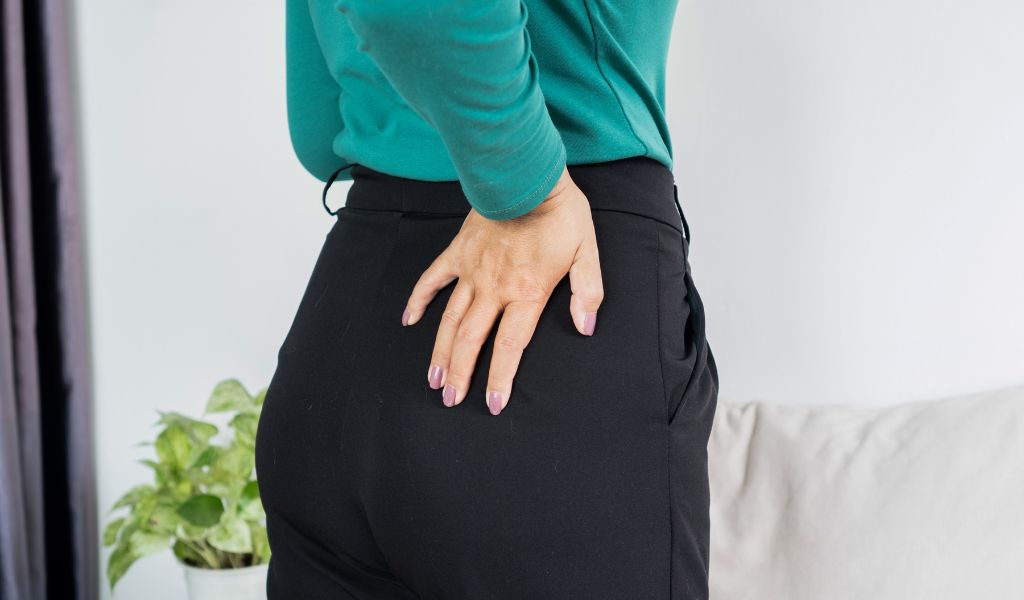
Common Signs Associated With Hip Pain
Pain With Walking Or Stairs
Pain during walking or stairs can reflect reduced hip mobility, altered gait mechanics, or stability deficits.
Stiffness Or Reduced Range Of Motion
A restricted feeling can affect bending, squatting, getting in and out of a car, and sitting comfort.
Front Hip Tightness Or Pinching Sensations
Tightness patterns can develop when hip mechanics are limited and movement compensations increase joint stress.
Glute Or Outer Hip Discomfort
Discomfort around the glute and lateral hip can reflect stability patterns, load distribution, and movement mechanics.
Low Back Or Knee Symptoms Along With Hip Issues
When the hip does not move well, other joints may absorb stress, influencing symptoms elsewhere in the chain.
Reduced Stability And Movement Confidence
When control decreases, movement can feel less steady during turns, uneven surfaces, and longer walking distances.
What Testing Commonly Focuses On
Evaluation is designed to identify the core problems connected to function so the plan is based on findings and measurable progress.
Pelvic Alignment And Hip Mechanics
Assessment of pelvic position and hip movement to identify loading patterns that increase joint stress over time.
Joint Motion And Mobility
Evaluation of hip mobility along with spine and ankle mechanics to identify restrictions that change movement quality.
Stability, Strength, And Muscle Imbalance
Assessment of core and glute stability patterns that influence hip control during walking and daily activity.
Balance And Movement Quality
Review of balance and coordination patterns that influence gait mechanics and overall movement efficiency.
Neurology And Nerve Function Indicators
Focused evaluation when sensation or strength changes suggest nerve pathways may be part of the picture.
How Hip Pain Care Supports Better Function
Care is designed to restore joint motion, improve mechanics, and reinforce stability so walking and daily movement feel steadier. Services are selected based on findings and your goals.
Extremity Adjustments
Precise hip and lower extremity adjustments restore joint motion and support healthier mechanics and gait patterns.
Chiropractic Adjustments
Spinal and pelvic mechanics influence hip function, and adjustments can support alignment and stability patterns.
Rehab And Exercise Therapy
Guided rehab builds strength, mobility, and stability, addressing imbalance and reinforcing better movement control.
Corrective Care And Chiropractic Biophysics
Corrective strategies support posture and alignment mechanics that influence how force travels through the hips.
Whole Body Vibration
Neuromuscular training supports balance, coordination, and stabilizer activation that can improve movement confidence.
PostureZone™ Motor Control Training
Coached motor control training improves Balance, Alignment, and Movement so mechanics become more automatic.
What Makes Hip Pain Care More Effective With Dr. Andrew M. Winger, D.C.
Lakeside Spine And Wellness is built around listening, testing, and creating a clear plan based on findings. Dr. Andrew M. Winger, D.C. brings decades of experience and a corrective care focus that supports both function and structure, combining traditional chiropractic care and corrective chiropractic care supported by Chiropractic Biophysics based methods along with expert led rehabilitative therapy, exercise guidance, and nutrition guidance for long term improvement.
How To Get Started
A complimentary consultation is a simple first step to ask questions, learn what we do and do not do, and confirm fit before moving forward with a plan based on your findings.