Help For Auto Injuries
Auto injuries can affect joint motion, balance, and nervous system function, even when symptoms seem mild. Lakeside Spine and Wellness in Renton, WA can help.
⚠ Limited Time Offer
New Patient Special
Start with a complimentary consultation and a clear understanding of what's happening — we listen and test first, then focus on improving the spine and nervous system to enhance healing from within.
Reg. $149 Just $59
- Complimentary consultation & case review
- Comprehensive exam, testing & a corrective adjustment
- Report of findings with clear next steps
🔒 Testing-first care. No pressure.
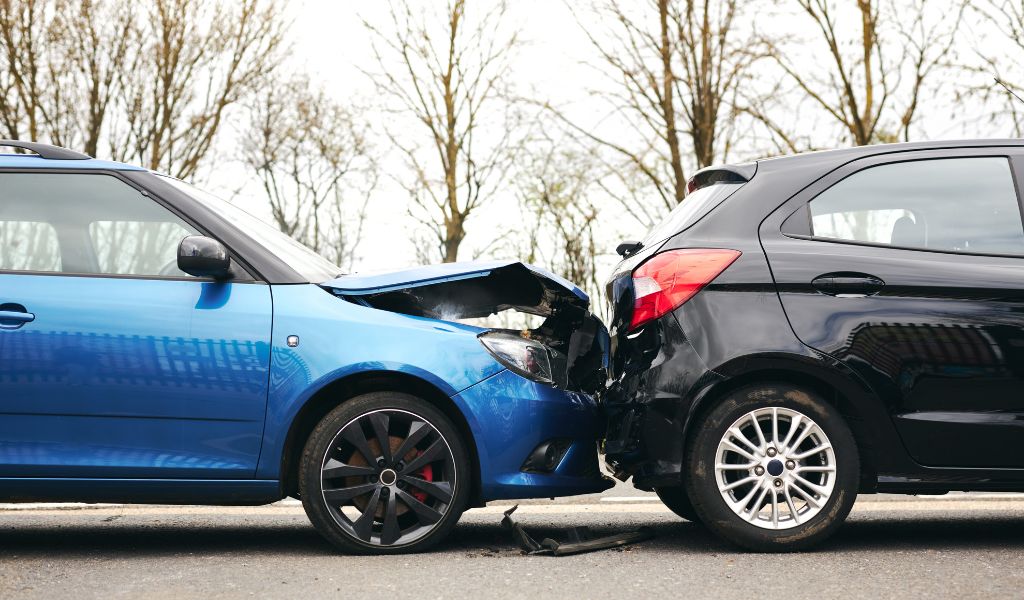
Auto injuries can affect joint motion, movement patterns, balance, and nervous system function, even when symptoms feel mild at first. Care at Lakeside Spine and Wellness starts with listening and testing, then focuses on documenting findings and improving the condition of the spine and nervous system to enhance healing from within.

Car Accidents / Auto Injuries Care At Lakeside Spine and Wellness
Auto accidents can create sudden forces through the neck, mid back, low back, and extremities. Even low speed impacts can influence joint motion, movement control, and stability. Some people notice symptoms immediately, while others notice changes after daily activity, sleep, or stress builds.
At Lakeside Spine and Wellness, auto injury care is guided by findings, not assumptions. The focus is to evaluate what changed, document objective findings, and build a structured plan that supports mobility, stability, and long term function.
What Auto Injuries Commonly Involve
An impact can influence alignment, joint motion, and nervous system regulation. Protective tension patterns can develop as the body tries to stabilize, and movement mechanics may change to avoid certain positions. When these patterns persist, daily function and recovery can become less consistent.
Because every accident is different, a clear evaluation matters. The best plan depends on what testing shows about alignment, movement quality, neurology, balance, stability, strength, and physiology.
Google Reviews
What Patients Say About Care at Lakeside Spine and Wellness
Real reviews from real patients on Google.
Don't Wait for Relief
Book your appointment today.
Common Signs After A Car Accident
- Neck And Upper Back Tightness Patterns Tension and reduced motion can develop as the body stabilizes after an impact and adapts to new mechanics.
- Headaches And Jaw Tension Headaches and jaw tension can be associated with upper neck restriction, posture strain, and stress patterns.
- Low Back And Pelvic Stiffness Stiffness in the low back and pelvis can influence walking mechanics, sitting tolerance, and movement confidence.
- Radiating Symptoms Into An Arm Or Leg Sensations traveling into the arm or leg can reflect nerve irritation patterns influenced by spinal mechanics.
- Numbness Or Tingling Changes in sensation may affect the upper and lower extremities depending on which pathways are involved.
- Reduced Balance Or Stability When sensory input changes, balance and movement control can feel less steady during daily activities.
What Testing Commonly Focuses On
Evaluation is designed to identify what changed after the accident and how it is affecting function so the plan is based on measurable findings.
- Alignment And Joint Motion Assessment of spinal and joint mechanics to identify restrictions and stress patterns that affect mobility and control.
- Movement Quality Movement testing to identify compensation patterns that can develop after impact and influence daily function.
- Neurology And Function Indicators Focused evaluation of sensation and strength patterns to understand how nerve function is showing up.
- Balance, Stability, And Strength Assessment of stability and endurance so the plan supports steadier movement and better control over time.
- Extremity Joint Mechanics Evaluation of shoulders, elbows, wrists, hips, knees, ankles, and feet when joint function is part of the picture.
Ready To Get Started?
Start with a complimentary consultation to ask questions, learn what we do and do not do, and confirm fit.
Don't Wait for Relief
Book your appointment today.
How Auto Injury Care Supports Better Function
Care focuses on restoring joint motion, improving movement mechanics, and supporting nervous system function, along with clear documentation of findings and progress over time. Services are selected based on your evaluation.
- Chiropractic Adjustments Precise adjustments restore joint motion and support neurological function so movement patterns can improve over time.
- Extremity Adjustments Extremity adjustments restore joint motion in areas like shoulders, hips, knees, and ankles to support mechanics.
- Rehab And Exercise Therapy Guided rehab builds stability and strength, reinforcing healthier movement control and supporting long term function.
- Corrective Care And Chiropractic Biophysics Corrective strategies support alignment and posture mechanics that influence how the body adapts after impact.
- Spinal Decompression When Appropriate Decompression may be considered when disc pressure patterns are part of the findings and care strategy.
What Makes Auto Injury Care Clearer At Lakeside Spine and Wellness With Dr. Andrew M. Winger, D.C.
Lakeside Spine and Wellness is built around listening, testing, and creating a clear plan based on findings. Dr. Andrew M. Winger, D.C. brings decades of experience and extensive background supporting personal injury cases, combining traditional chiropractic care and corrective chiropractic care supported by Chiropractic Biophysics based methods along with expert led rehabilitative therapy, exercise guidance, and nutrition guidance for long term improvement.
Auto Injury Recovery - Frequently Asked Questions
Should I see a chiropractor even if I felt fine right after my accident?
What symptoms can appear days after a car crash?
Do I need X-rays or imaging after a car accident?
How does an auto injury claim work with chiropractic care?
What should I do at the scene or in the first few days after a crash?
Related Conditions
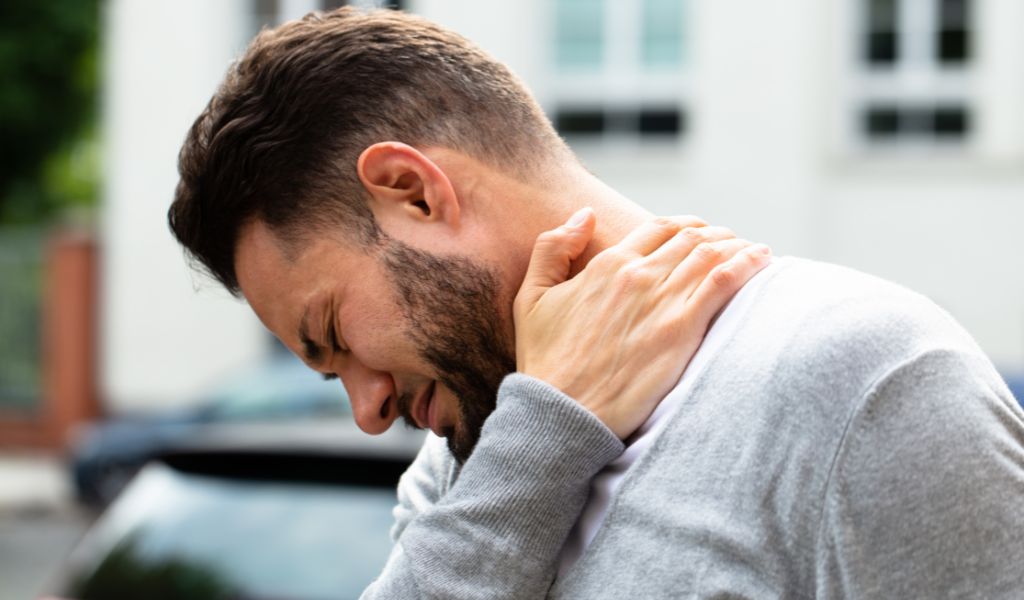
Neck Pain Relief
Neck pain relief in Renton, WA. Lakeside Spine and Wellness treats stiffness, posture strain, and nerve irritation. Call 425-276-8044.
Learn about Neck Pain Relief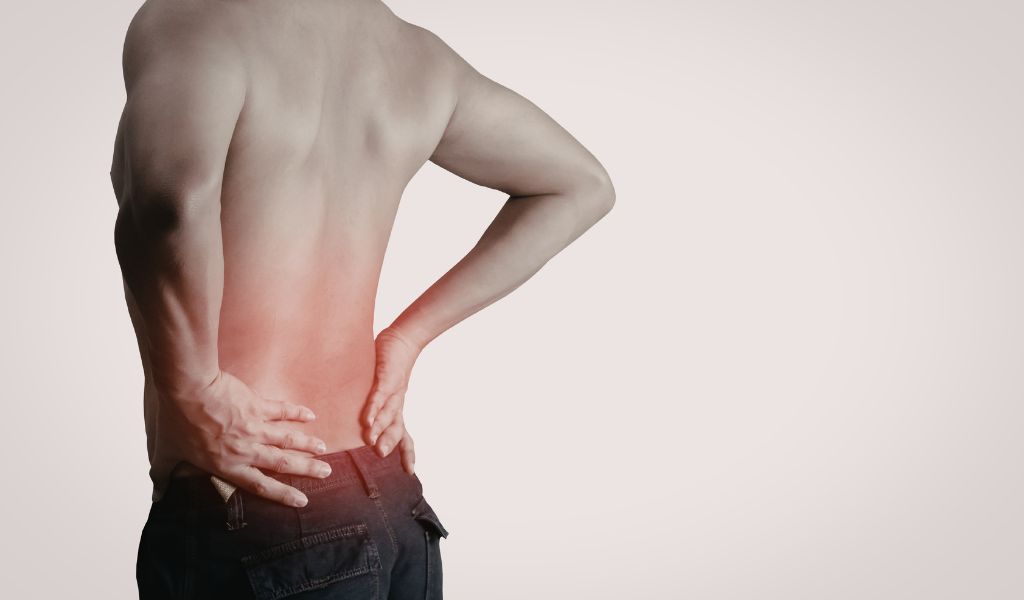
Help For Lower Back Pain
Lower back pain can stem from restricted joints, disc pressure, or posture strain. Lakeside Spine and Wellness in Renton, WA offers personalized care plans.
Learn about Help For Lower Back Pain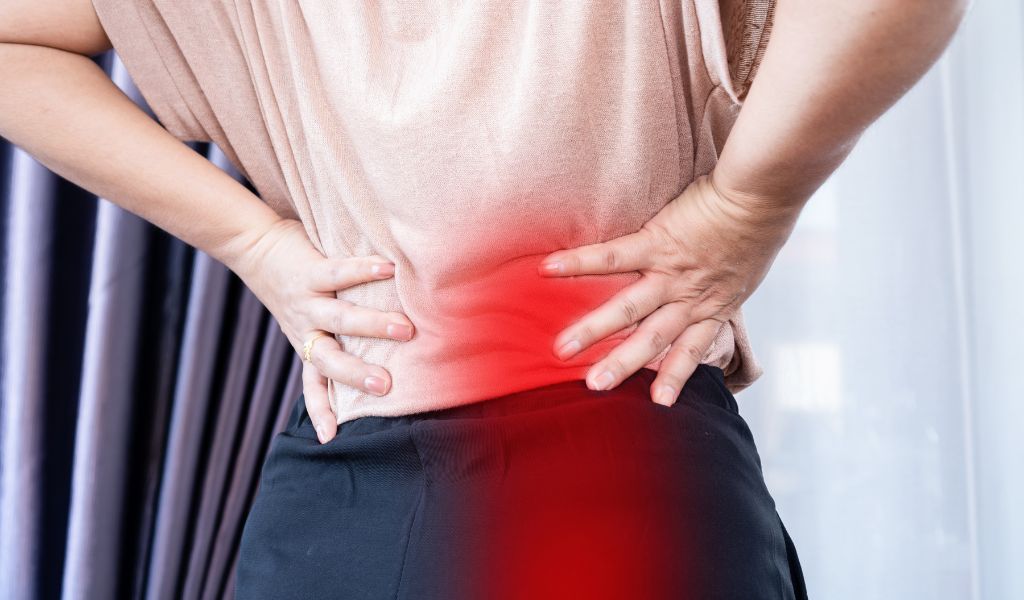
Sciatica Care
Sciatica often brings radiating sensations into the glute, leg, or foot, plus tingling or weakness. Lakeside Spine and Wellness in Renton, WA can help.
Learn about Sciatica CareHow To Get Started
Have Questions Before You Book?
A complimentary consultation is a simple first step to ask questions, learn what we do and do not do, and confirm fit before moving forward with evaluation, documentation, and a plan based on your findings. Speak with our team to choose the best next step and find a time that works for you.