Help For Colic
Colic is exhausting for baby and parents. Lakeside Spine and Wellness in Renton, WA offers gentle infant care that supports nervous system regulation.
⚠ Limited Time Offer
New Patient Special
Start with a complimentary consultation and a clear understanding of what's happening — we listen and test first, then focus on improving the spine and nervous system to enhance healing from within.
Reg. $149 Just $59
- Complimentary consultation & case review
- Comprehensive exam, testing & a corrective adjustment
- Report of findings with clear next steps
🔒 Testing-first care. No pressure.
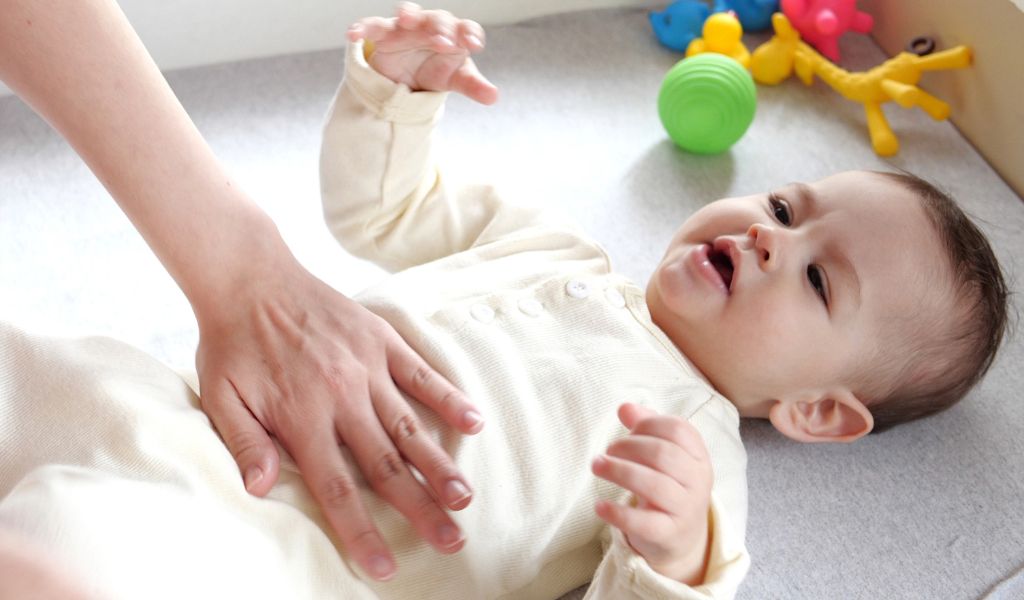
Colic can be exhausting for both baby and parents. Gentle infant focused care supports nervous system regulation, which can influence comfort, feeding patterns, digestion, and sleep routines. Care at Lakeside Spine and Wellness starts with listening and testing, then supports steadier regulation patterns in an age appropriate, gentle way.

Colic Care At Lakeside Spine and Wellness
Colic is often described as frequent, prolonged periods of crying or fussiness in an otherwise healthy infant. Many families notice patterns such as difficulty settling, digestive discomfort, gassiness, feeding challenges, or sleep disruption.
At Lakeside Spine and Wellness, infant focused care is designed to support nervous system regulation and movement comfort in a gentle, age appropriate way. The goal is to support steadier comfort and routines for feeding and sleep while reducing stress patterns that can overwhelm both baby and parents.
What Colic Commonly Involves
Early life is a period of rapid neurological development. Infants are learning how to regulate feeding, digestion, sleep, and sensory input. When regulation patterns are stressed, babies may have difficulty settling and may show signs of discomfort during or after feeds.
Infants can also experience mechanical stress patterns from early life positioning and normal developmental demands. Supporting joint motion, posture comfort, and nervous system regulation can help the body adapt more efficiently during this stage.
Google Reviews
What Patients Say About Care at Lakeside Spine and Wellness
Real reviews from real patients on Google.
Don't Wait for Relief
Book your appointment today.
Common Signs Parents Notice With Colic
- Frequent Crying Or Fussiness Long episodes of crying that can be difficult to soothe and may follow a predictable daily pattern.
- Difficulty Settling Or Staying Asleep Short sleep windows, frequent wake ups, and difficulty returning to sleep when overstimulated.
- Feeding Challenges Inconsistent latch, pulling off the bottle or breast, or fussiness during feeds that disrupt routines.
- Gassiness Or Digestive Discomfort Signs of discomfort after feeds, difficulty passing gas, or general digestive sensitivity patterns.
- Preference For Turning The Head One Way Head turning preference that may reflect tension patterns and can influence feeding comfort and positioning.
- Body Tension Or Arching Stiffness patterns or arching that can show up during feeds, diaper changes, or when trying to settle.
What Testing And Evaluation Commonly Focuses On
Infant evaluation is gentle and focused on comfort, movement patterns, and regulation signs. The goal is to identify what may be adding stress and what support may help routines become steadier.
- Head And Neck Motion Assessment of head turning patterns and gentle range of motion to identify preference patterns or restriction.
- Spinal And Pelvic Comfort Patterns Evaluation of posture comfort and movement patterns that may influence settling and positioning.
- Nervous System Regulation Signs Review of settling patterns, sensory sensitivity, sleep routines, and how easily the infant transitions between states.
- Feeding And Positioning Habits Discussion of feeding posture, latch comfort, bottle or breast positioning, and what parents notice during feeds.
- Daily Routine And Sleep Patterns Review of sleep windows, bedtime routines, and patterns that may be influencing regulation and recovery.
Ready To Get Started?
Start with a complimentary consultation to ask questions, learn what we do and do not do, and confirm fit.
Don't Wait for Relief
Book your appointment today.
How Gentle Infant Focused Care Supports Better Regulation
Care focuses on supporting joint motion and posture comfort in a gentle way so the nervous system receives clearer input. When regulation improves, many families notice better settling patterns and more consistent routines.
Supportive guidance may also include simple positioning and routine recommendations to reinforce progress at home.
- Gentle Chiropractic Care Age appropriate, gentle techniques designed to support comfort and joint motion while promoting steadier nervous system regulation.
- Posture And Positioning Guidance Simple strategies for holding, feeding positioning, and sleep setup to support comfort and more consistent routines.
- Movement And Motor Control Support Guidance to support symmetric movement and comfort as the infant develops basic motor skills.
- Routine And Recovery Coaching Practical support for calming routines and recovery habits that promote steadier sleep and settling patterns.
What Makes Infant Care Feel More Supportive With Dr. Andrew M. Winger, D.C.
Lakeside Spine and Wellness is built around listening, testing, and creating a clear plan based on findings. Dr. Andrew M. Winger, D.C. brings decades of experience and uses gentle, age appropriate care while supporting families with clear education and practical next steps.
Colic Relief - Frequently Asked Questions
What is colic, and how do I know if my baby has it?
Is it safe to bring a newborn to a chiropractor?
Can chiropractic cure colic?
What should I do when my baby is crying and I cannot soothe them?
What happens at a baby's first visit?
Related Conditions

Neck Pain Relief
Neck pain relief in Renton, WA. Lakeside Spine and Wellness treats stiffness, posture strain, and nerve irritation. Call 425-276-8044.
Learn about Neck Pain Relief
Help For Lower Back Pain
Lower back pain can stem from restricted joints, disc pressure, or posture strain. Lakeside Spine and Wellness in Renton, WA offers personalized care plans.
Learn about Help For Lower Back Pain
Sciatica Care
Sciatica often brings radiating sensations into the glute, leg, or foot, plus tingling or weakness. Lakeside Spine and Wellness in Renton, WA can help.
Learn about Sciatica CareHow To Get Started
Have Questions Before You Book?
A complimentary consultation is a simple first step to ask questions, learn what the clinic does and does not do, and confirm fit based on your child's needs and your family's goals before moving forward. Speak with our team to choose the best next step and find a time that works for you.