Help For Neurodevelopmental Disorders
Supportive care for neurodevelopmental disorders focuses on movement, coordination, and balance. Lakeside Spine and Wellness in Renton, WA serves families.
⚠ Limited Time Offer
New Patient Special
Start with a complimentary consultation and a clear understanding of what's happening — we listen and test first, then focus on improving the spine and nervous system to enhance healing from within.
Reg. $149 Just $59
- Complimentary consultation & case review
- Comprehensive exam, testing & a corrective adjustment
- Report of findings with clear next steps
🔒 Testing-first care. No pressure.
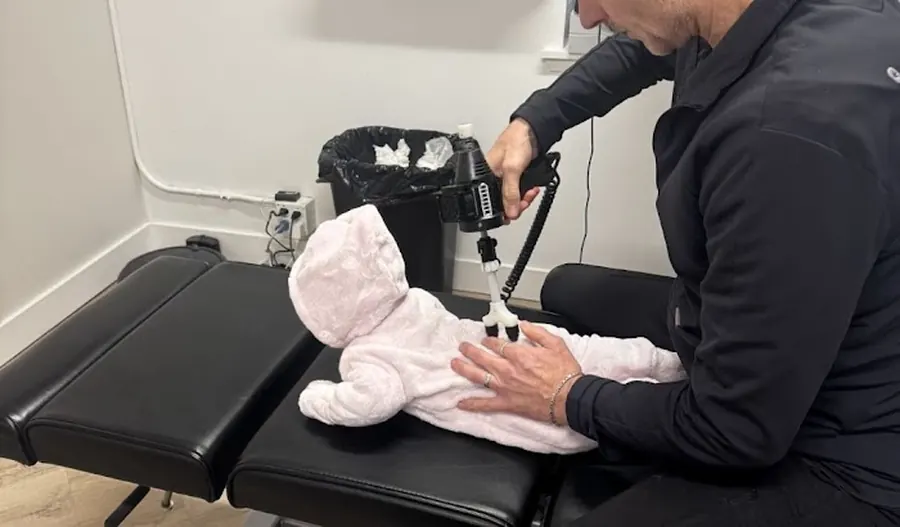
Supportive care for neurodevelopmental disorders focuses on movement, coordination, sensory processing, balance, and nervous system function as a child develops. Care at Lakeside Spine And Wellness starts with listening and testing, then supports better function through gentle chiropractic care along with movement based strategies and lifestyle guidance.

Neurodevelopmental Disorders Care At Lakeside Spine And Wellness
Neurodevelopmental disorders describe a wide range of developmental patterns that can influence movement, coordination, sensory processing, communication, behavior, and learning. Families often notice challenges with balance, motor planning, posture control, attention, sleep consistency, or tolerance for daily sensory input.
At Lakeside Spine And Wellness, supportive care is guided by findings and family goals. The focus is on improving the condition of the spine and nervous system to enhance healing from within, along with movement and coordination strategies that support development over time.
What Supportive Care Focuses On
Supportive care is not one size fits all. It starts with understanding how a child moves, stabilizes, and processes sensory input in daily life. The nervous system relies on consistent feedback from joints, muscles, vision, and balance systems. When that input is inconsistent, the brain often works harder to organize movement and regulate attention and behavior.
The goal is to support better nervous system function and movement efficiency by improving joint motion, posture mechanics, balance, coordination, and stability in ways that are gentle, age appropriate, and matched to the child's comfort.
Google Reviews
What Patients Say About Care at Lakeside Spine and Wellness
Real reviews from real patients on Google.
Don't Wait for Relief
Book your appointment today.
Common Areas Of Focus For Development
- Movement Quality And Motor Planning Support focuses on how a child organizes movement, including sequencing, timing, and smoother transitions during daily activities.
- Coordination And Bilateral Integration Many developmental patterns involve coordination challenges, including how the left and right sides of the body work together.
- Balance And Posture Control Balance and posture stability influence sitting tolerance, standing endurance, walking confidence, and overall movement control.
- Sensory Processing And Regulation Supportive care considers how a child responds to sensory input and helps promote calmer regulation patterns through steadier nervous system function.
- Neurology And Nervous System Function Improving joint motion and mechanics supports healthier neurological input, which influences coordination, balance, and regulation.
- Sleep And Recovery Patterns Sleep consistency matters for development, and supportive care often includes guidance that promotes steadier recovery routines.
What Testing Commonly Focuses On
Evaluation is designed to identify the core problems connected to function so the plan is based on findings and measurable progress. Testing is age appropriate and focused on what the child can comfortably do.
- Posture And Alignment Patterns Assessment of how the head, torso, and pelvis stack and how posture habits influence stability and movement organization.
- Movement Quality And Coordination Indicators Evaluation of coordination, timing, and motor control patterns that influence daily movement and activity tolerance.
- Balance And Stability Measures Assessment of balance strategies and stability control during standing, walking patterns, and simple transitions.
- Neurology And Function Indicators Focused evaluation of nervous system function indicators that guide priorities and support better regulation patterns.
- Strength, Endurance, And Sensory Tolerance Review of endurance and sensory tolerance patterns that influence participation in school, play, and daily routines.
Ready To Get Started?
Start with a complimentary consultation to ask questions, learn what we do and do not do, and confirm fit.
Call Us: 425-276-8044
Don't Wait for Relief
Book your appointment today.
How Supportive Care Helps Build Better Function
Supportive care focuses on improving joint motion, mechanics, and movement control so the nervous system receives clearer input. Over time, clearer input and better movement organization can support improved coordination, steadier balance, and more consistent posture control.
Care plans often include gentle chiropractic adjustments along with guided movement strategies designed to reinforce stability, coordination, and confidence in daily activities.
- Gentle Chiropractic Adjustments Age appropriate care that supports joint motion and nervous system function through gentle, specific corrections.
- Rehab And Exercise Therapy Guided movement strategies that build stability, coordination, and strength patterns that support better motor control.
- PostureZone™ Motor Control Training Motor control support that reinforces Balance, Alignment, and Movement patterns in a simple, repeatable way.
- Whole Body Vibration When Appropriate Neuromuscular training that supports balance and stabilizer activation patterns for steadier movement control.
- Lifestyle And Routine Guidance Practical support for sleep, movement consistency, and daily routines that influence recovery and regulation.
How This Support Fits Alongside Other Care
Supportive care works best when it complements what families are already doing and stays aligned with the child's comfort and daily demands. Many families find the most benefit when movement patterns, posture control, and sensory regulation are supported consistently over time.
The goal is better function and steadier progress through structured routines and measurable changes, rather than quick fixes.
Don't Wait for Relief
Book your appointment today.
Why This Support Feels More Personalized With Dr. Andrew M. Winger, D.C.
Lakeside Spine And Wellness is built around listening, testing, and creating a clear plan based on findings. Dr. Andrew M. Winger, D.C. brings decades of experience and a corrective care focus that supports both function and structure, combining gentle chiropractic care along with expert led rehabilitative therapy, exercise guidance, and nutrition guidance for long term improvement.
How To Get Started
A complimentary consultation is a simple first step to ask questions, learn what the clinic does and does not do, and confirm fit based on your child's goals and needs before moving forward.
Have Questions Before You Book?
Speak with our team to choose the best next step and find a time that works for you.
Neurodevelopmental Support - Frequently Asked Questions
What Happens During The Complimentary Consultation?
What Types Of Testing Do You Use To Find The Root Cause?
How Many Visits Are Typically Recommended?
Is Chiropractic Care Safe?
How Much Does Chiropractic Care Cost?
Related Conditions

Neck Pain Relief
Neck pain relief in Renton, WA. Lakeside Spine and Wellness treats stiffness, posture strain, and nerve irritation. Call 425-276-8044.
Learn about Neck Pain Relief
Help For Lower Back Pain
Lower back pain can stem from restricted joints, disc pressure, or posture strain. Lakeside Spine and Wellness in Renton, WA offers personalized care plans.
Learn about Help For Lower Back Pain
Sciatica Care
Sciatica often brings radiating sensations into the glute, leg, or foot, plus tingling or weakness. Lakeside Spine and Wellness in Renton, WA can help.
Learn about Sciatica CareReady for Neurodevelopmental Support?
Schedule your appointment at Lakeside Spine and Wellness today.